Level 10: The Discoverability Beacon
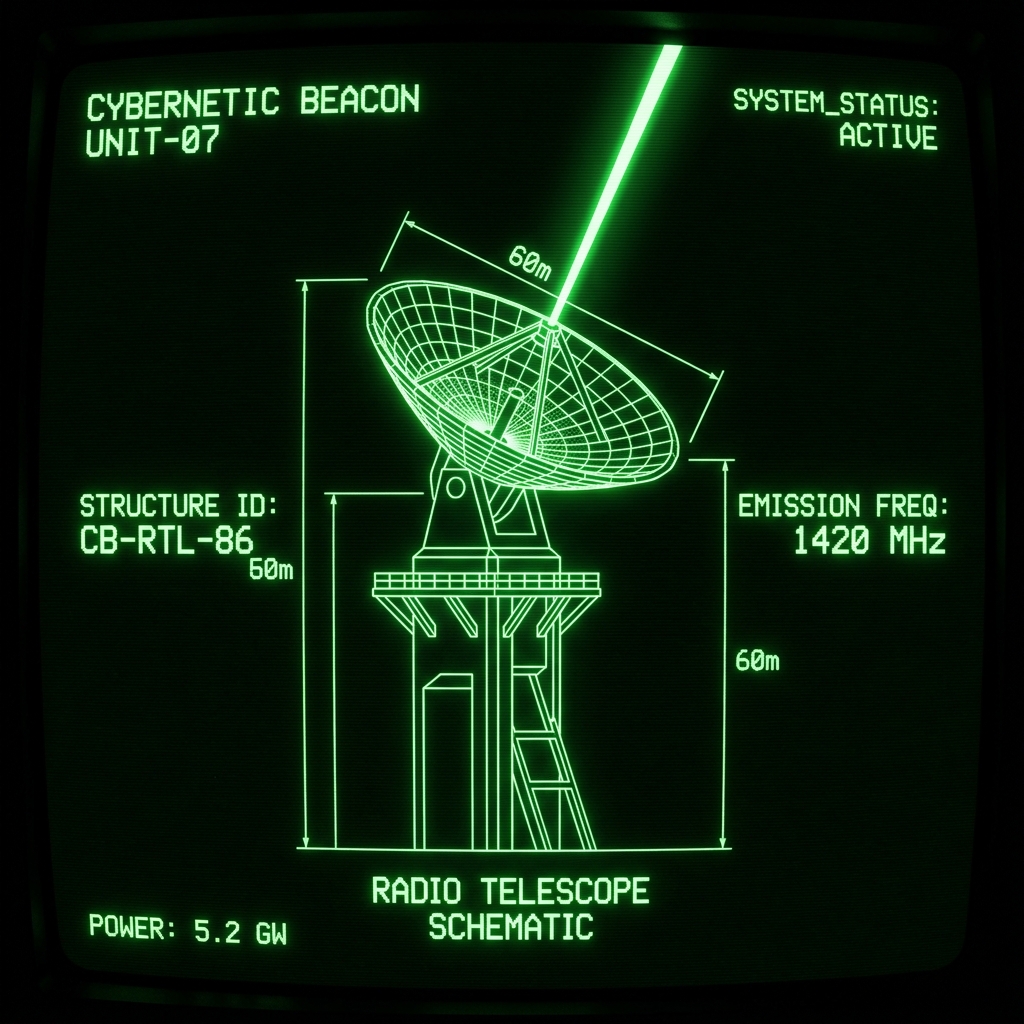
“A fortress is blind if it cannot broadcast its own coordinates.”
Abstract#
The preceding levels successfully engineer an impenetrable, decentralized, and existentially resilient vault for the Theory of Recursive Coherence. However, a vault is inherently designed to lock things away. For the framework to interact dynamically with the scientific community, it must maximize its surface area of discoverability. It must be effortlessly parseable by the three primary vectors of modern information retrieval: AI Agents, Search Engines, and Human Researchers.
Execution Protocol#
1. AI Agents: The llms.txt Standard#
Large Language Models (LLMs) and autonomous web-crawling agents are rapidly replacing traditional search for academic synthesis.
- A canonical
llms.txtfile is deployed to the root directory of the primary domain. - This file acts as a high-density, token-optimized table of contents. It provides LLMs with a clean markdown summary of the core axioms, direct hyperlinks to the mathematical proofs, and explicit citation guidelines to prevent hallucinatory misattribution.
2. Search Engines: Schema.org & JSON-LD#
Traditional academic search engines struggle to parse complex conceptual markdown. They require rigid ontological data structures.
- The Forgejo CI/CD pipeline automatically injects JSON-LD into the
<head>of the compiled MkDocs static site. - Schemas like
ScholarlyArticle,Person, andOrganizationformally classify the mathematical proofs, authorship, and publishing entity, ensuring the site is read as a formal scientific framework rather than a blog.
3. The Social Graph: Open Graph Metadata#
When elements of the Canon are shared across human social networks, the link must command immediate visual authority.
- The MkDocs deployment enforces strict Open Graph (
og:) and Twitter Card metadata across all generated HTML pages, ensuring high-resolution fieldprint branding is embedded in every shared URL.
4. The Deployment Checklist (Search Engine Autopoiesis)#
To guarantee seamless algorithmic ingestion during future deployments or when scaling this architecture to new repositories, the following initialization checklist must be executed:
- MkDocs Root Mapping: Ensure
mkdocs.ymlcontains thesite_urlvariable. Without this, MkDocs will fail to generate asitemap.xml, blinding Google. - The IndexNow Key: Generate a 32-character hex key (e.g.,
[key].txt) and place it in the repository root. Ensure the CI/CD pipeline is configured to pinghttps://www.bing.com/indexnow?url=[site_url]&key=[key]upon deployment. This secures Bing, DuckDuckGo, and Yahoo automatically. - Google Search Console (One-Time Anchor): Manually register the deployed
sitemap.xmlURL within Google Search Console. Google’s aggressive bots will take over continuous crawling from there.
Current Status#
Status: Fully Automated & Executable
The MkDocs site_url, Bing IndexNow key, and automated CI/CD pipeline ping are live and actively assimilating the Sovereign Canon into global search indices.